
We arrange a visit at a time that suits you, assess the blockage, and determine the most appropriate method to clear it. In most cases this involves high-pressure water jetting, though electro-mechanical cleaning or drain milling may be used depending on the nature of the obstruction. After clearing the blockage, we run further checks to confirm the system is flowing correctly. If anything during the visit suggests an underlying issue, such as root ingress, a cracked pipe, or significant scale build-up, we’ll let you know and explain your options clearly before any additional work takes place.
Why choose us for drain unblocking in London?
A blocked drain rarely picks a convenient moment. Whether it’s a backed-up toilet, a sink that won’t clear, or a foul smell that’s getting worse, the priority is getting it sorted quickly and understanding why it happened in the first place.
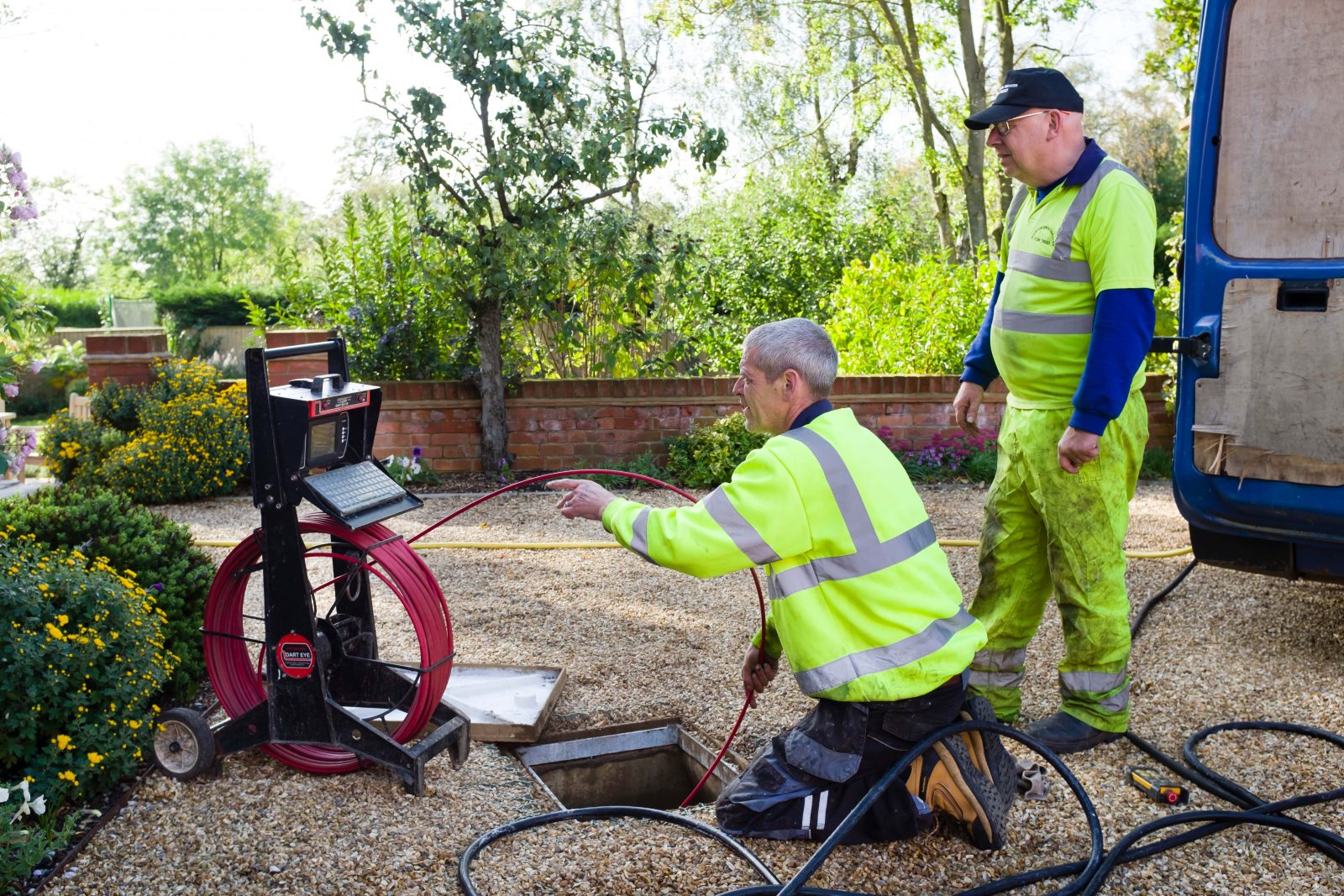
Our drain unblocking service covers London and the Home Counties, 24 hours a day. We use high-pressure water jetting, electro-mechanical cleaning, and drain milling equipment to clear blockages efficiently and restore normal flow. Once the blockage is cleared, we carry out follow-up checks to confirm the issue has been fully resolved, and where a recurring problem suggests something more is going on, we can carry out a CCTV survey to inspect the pipework from the inside.
We’re fully certified engineers with a straightforward approach: find the cause, fix it properly, and give you honest advice on preventing it from coming back.
Enquire Today
Enter your details below and a member of our team will be in touch
How does drain unblocking work?
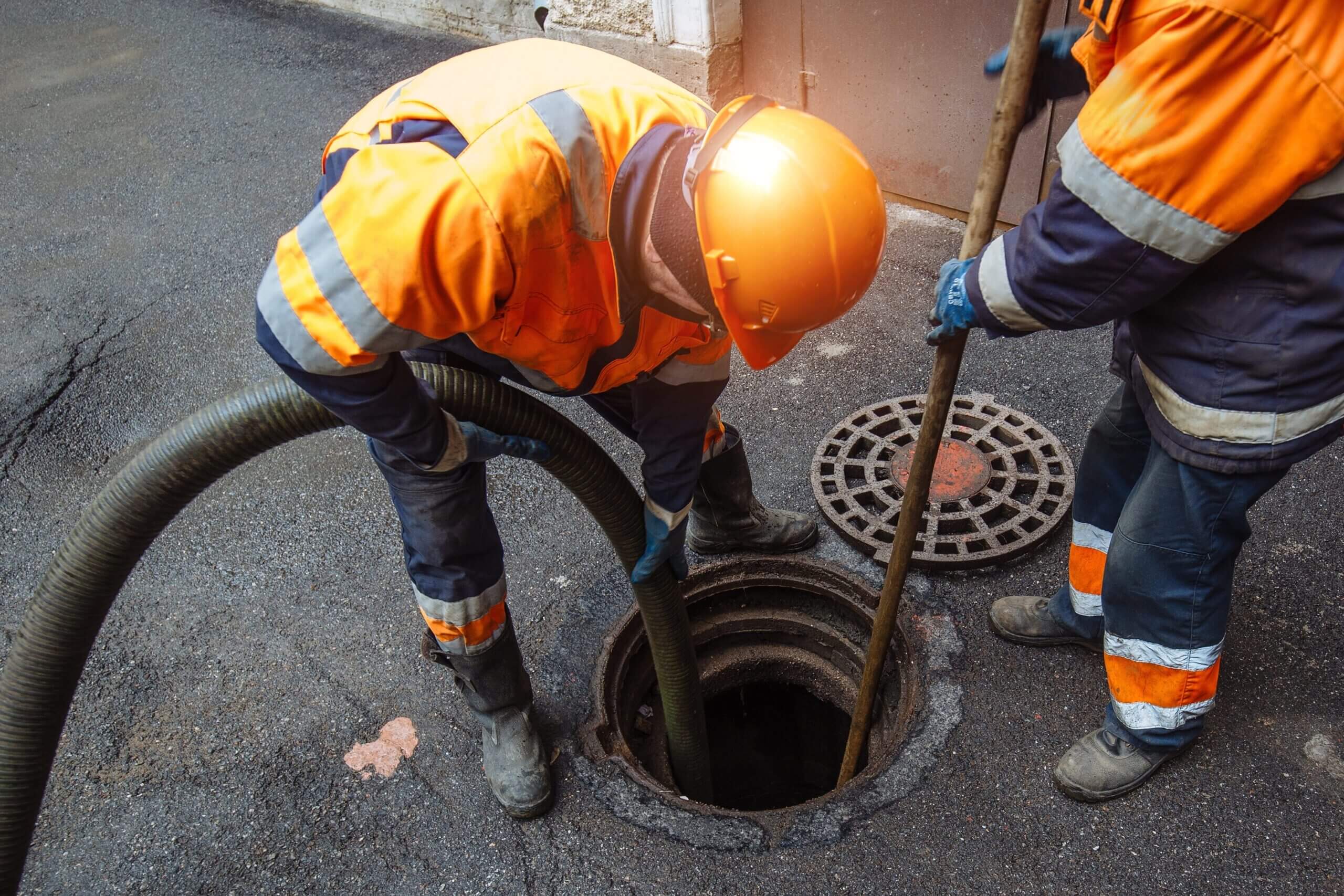
We start by assessing the situation. For most blockages, high-pressure water jetting is the most effective method, using a controlled burst of water to break down and flush out the obstruction. For more stubborn build-up, grease accumulation, or root ingress, electro-mechanical equipment or drain milling may be used to clear the pipework more thoroughly.
If the blockage keeps returning, or if there are signs of a deeper problem such as persistent odours, slow drainage across multiple outlets, or suspected structural damage, we’ll recommend a CCTV survey to see exactly what’s happening inside the pipes. A blockage that keeps coming back is often a symptom of an underlying condition that a straightforward unblock won’t resolve on its own.
Once the work is complete, we’ll talk you through what we found and advise on next steps where needed.
Frequently Asked Questions
Why use London Drainage for blocked drains in London?
We’re fully certified engineers, registered with the NADC, and we carry the specialist equipment needed to deal with blockages properly rather than applying a temporary fix. We’re available 24 hours a day for emergencies, we provide honest assessments of what’s causing the problem, and we won’t recommend additional work unless there’s a genuine reason for it. Every job is followed up with checks to confirm the issue has been resolved, and we’ll always give you clear guidance on how to reduce the risk of it happening again.
Do you charge an emergency call-out fee for blocked drains?
We keep our pricing transparent and will always confirm costs before any work begins. Call us on 0208 594 7171 and we’ll give you a clear picture of what’s involved and what it will cost, including any out-of-hours considerations, so there are no surprises when the engineer arrives.
How do I prevent my drains blocking in the future?
The most common causes of blockages are fats, oils, and grease poured down kitchen sinks, and wipes, cotton products, or sanitary items flushed down toilets. Avoiding both goes a long way. In hard water areas like London, scale builds up inside pipework over time and gradually reduces flow capacity, so periodic professional cleaning and descaling helps maintain the system between call-outs. If you’ve had a blockage cleared and want peace of mind about the wider condition of the drains, a CCTV survey is the most reliable way to check whether anything else needs attention.
How long does it take to unblock a drain?
Most straightforward blockages are cleared within an hour or two. More complex situations, such as significant scale build-up, root ingress, or a blockage affecting multiple drain runs, may take longer. We’ll give you a realistic estimate once we’ve assessed the situation, and we’ll keep you informed throughout the visit so you know exactly where things stand.