
Drain descaling is the process of removing limescale and mineral deposits that have built up on the internal walls of drainage pipes over time. In hard water areas like London, calcium and magnesium deposits accumulate steadily inside pipework, gradually narrowing the pipe and restricting the flow of water. Descaling removes that build-up and restores the drain to its proper capacity. It’s a preventative and restorative treatment, and for properties in hard water areas, it’s a sensible part of any routine drainage maintenance programme.
Why Choose Us For Drain Descaling in London?
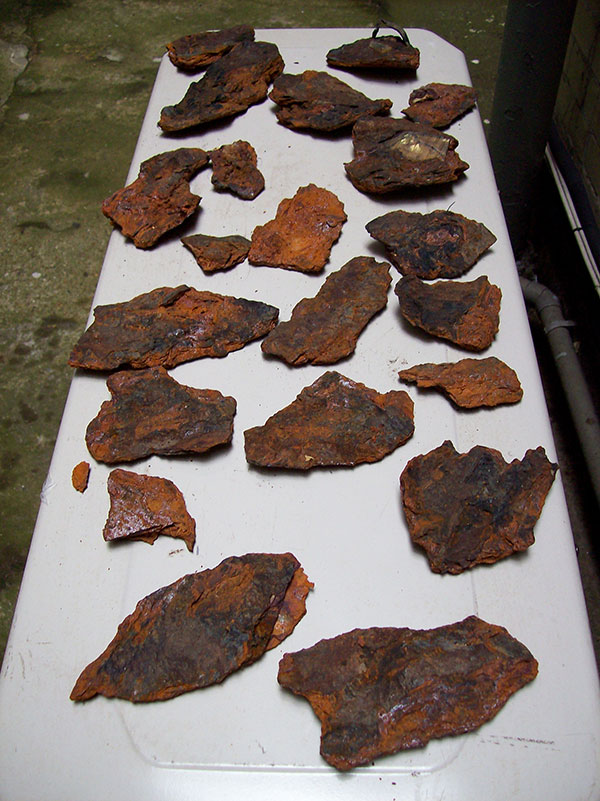
London and the south-east have some of the hardest water in the country. Over time, that means limescale accumulates inside pipework, gradually narrowing the internal diameter of the drain and restricting flow. Left unchecked, heavy scale build-up leads to recurring blockages, reduced hydraulic capacity, and in more serious cases, corrosion that requires costly repairs to fix.
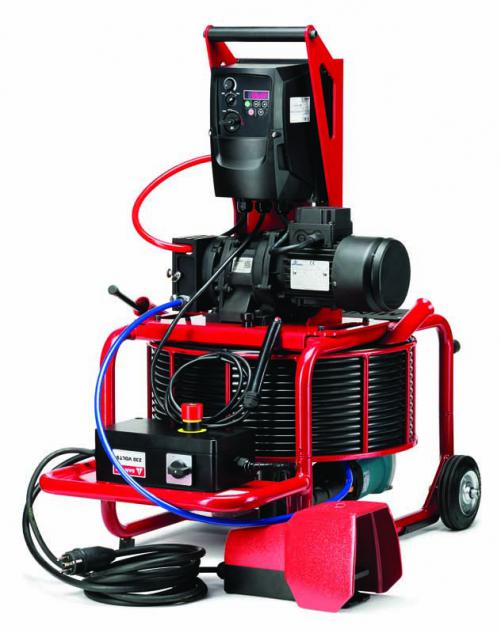
Routine descaling is the most effective way to stay ahead of the problem. We use specialist hydro-jetting equipment, imported from the USA, that’s designed specifically to cut through hard scale deposits and restore pipes to proper working order. Before treatment begins, we use CCTV surveys to identify exactly where scale has accumulated, so the work is targeted and effective rather than speculative.
We’re fully certified engineers covering London and the Home Counties, available 24 hours a day with no additional charge for emergency attendance
Enquire Today
Enter your details below and a member of our team will be in touch
How does drain descaling work?
We start with a CCTV survey to inspect the pipework from the inside and identify where scale has built up and how severe it is. This gives our engineers a clear picture of which sections need treatment before any equipment is deployed.
Once we know what we’re dealing with, we use advanced hydro-jetting machinery to cut away the scale deposits from the internal walls of the pipe. The equipment is capable of reaching inaccessible areas within the drainage system, including stacks and main drains, where build-up is often heaviest.
After descaling, a follow-up camera inspection confirms the pipework has been cleared properly and flow has been restored. We’ll also advise on a maintenance schedule to slow future accumulation and reduce the risk of recurring blockages.
Frequently Asked Questions
Why do pipes need descaling?
As scale builds up inside a pipe, the internal diameter effectively shrinks. Water moves more slowly, debris catches more easily, and the risk of a full blockage increases. In more advanced cases, scale can contribute to corrosion, which weakens the structure of the pipe itself and can lead to cracks or leaks that require more disruptive repairs. Descaling addresses the problem before it reaches that point. It’s considerably less disruptive and less costly than dealing with a collapsed or heavily corroded pipe, and it keeps the drainage system running efficiently in the meantime.
How does pipe descaling work?
We use specialist hydro-jetting equipment with cutting heads designed specifically to break down and remove hard scale deposits from the internal walls of the pipe. The process starts with a CCTV survey to pinpoint where treatment is needed, which means the work is precise and efficient. The hydro-jets are capable of working through stacks, main drains, and hard-to-reach areas of the system where scale tends to accumulate most heavily. Once the descaling is complete, we carry out a follow-up inspection to confirm the pipe is clear and flowing correctly before we leave the site.