
Regular drain cleaning keeps your system flowing properly and reduces the likelihood of blockages, backups, and sewage-related hygiene issues. In London’s hard water areas, scale builds up faster than elsewhere, gradually narrowing pipes and restricting flow. Professional cleaning removes that build-up thoroughly, extends the working life of your pipework, and gives you a clear picture of the drain’s condition. Catching problems early also means smaller, more straightforward repairs rather than larger, more disruptive ones further down the line.
Why choose us for drain cleaning services in London?
Slow drains, gurgling pipes, and persistent odours are rarely just a nuisance. They’re usually a sign that something is building up inside the pipework, and in London and the south-east, hard water means scale accumulates faster than most people realise. Left unchecked, that build-up reduces flow capacity, increases the risk of blockages, and puts unnecessary strain on the wider drainage system.
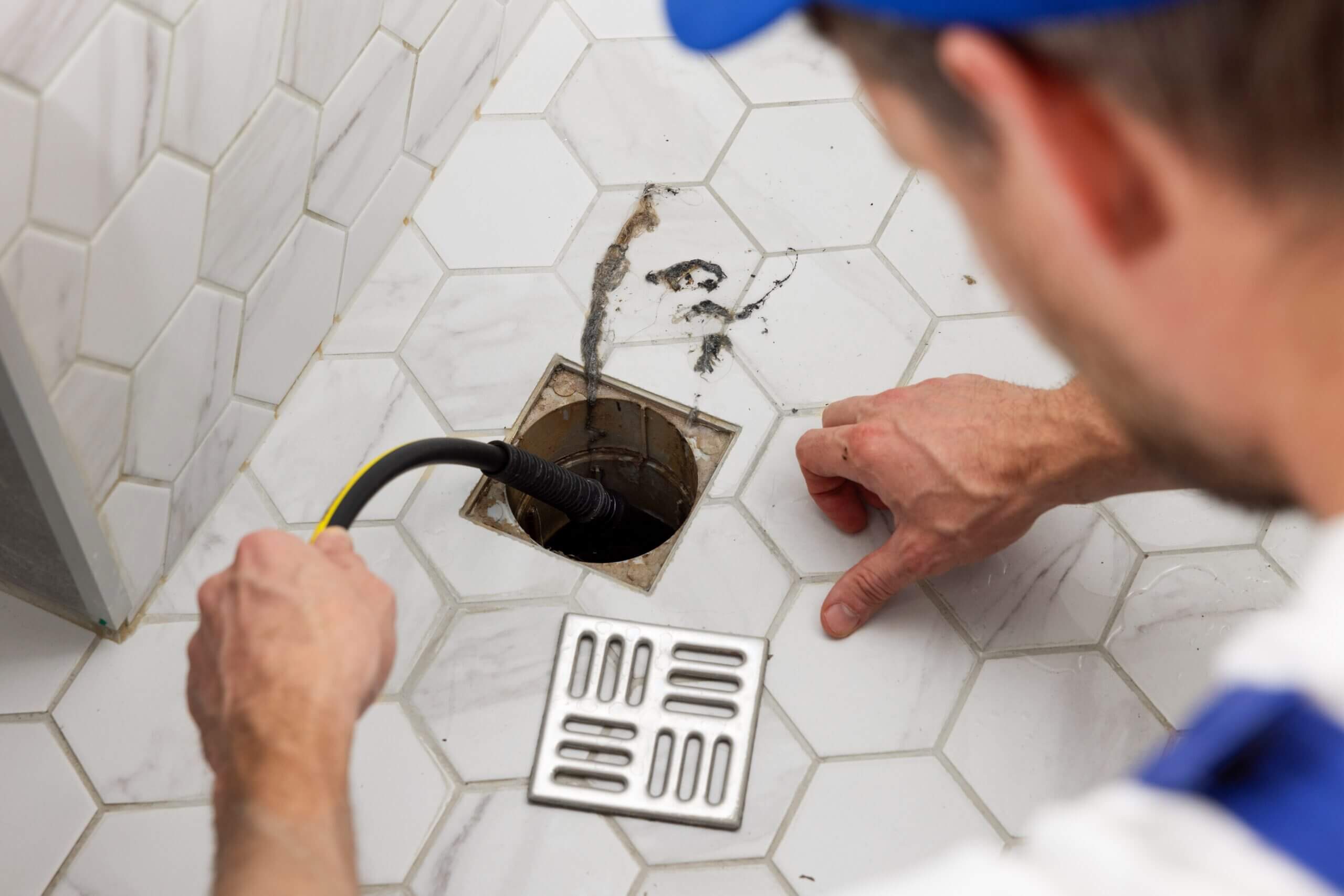
Our drain cleaning service gets to the root of the problem rather than masking it. Using high-pressure water jetting, electro-mechanical cleaning, and descaling equipment, we clear blockages, restore flow, and leave the system in proper working order. Where the cause isn’t immediately obvious, we can carry out a CCTV survey first to see exactly what’s happening inside the pipes before deciding on the right course of action.
We’re fully certified, NADC-registered engineers covering London and the Home Counties, available 24 hours a day.
Enquire Today
Enter your details below and a member of our team will be in touch
How does drain cleaning work?
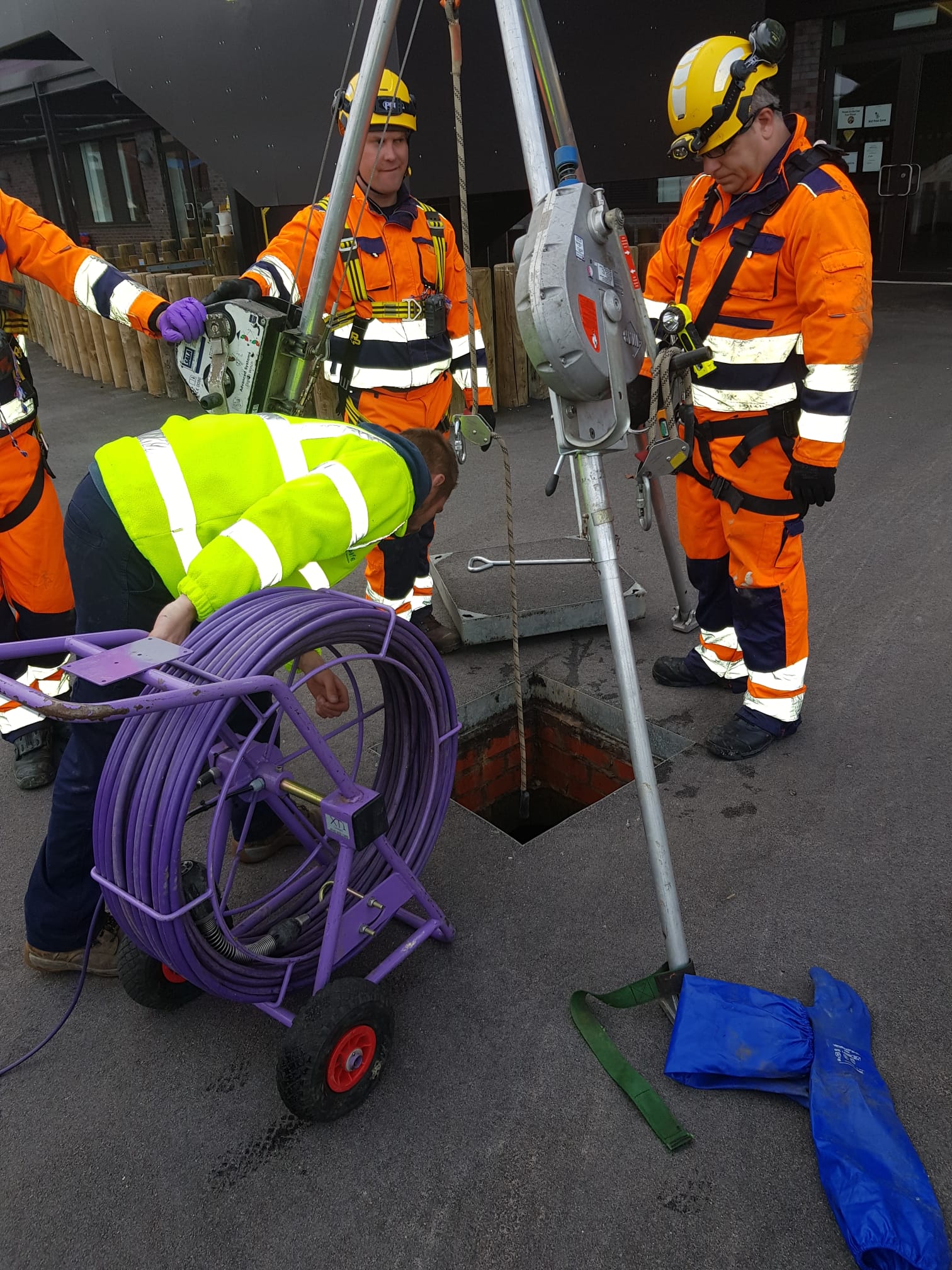
We begin by assessing the problem. For straightforward blockages and build-up, we’ll use high-pressure water jetting to clear the pipework and restore flow. For more stubborn scale or grease accumulation, electro-mechanical cleaning equipment is used to break down deposits that jetting alone won’t shift.
Where there’s any uncertainty about the underlying cause, a CCTV drain survey allows us to inspect the pipework from the inside before treatment begins. This ensures we’re using the right method for the right problem, rather than applying a temporary fix that leaves the root cause unaddressed.
Once the work is complete, we’ll advise on a routine cleaning schedule where appropriate. Regular maintenance, particularly descaling in hard water areas, is the most effective way to maintain flow capacity and reduce the risk of recurring problems.
Frequently Asked Questions
How often should I schedule drain cleaning?
For most residential properties, an annual clean is a sensible baseline, though properties in hard water areas or those with older pipework may benefit from more frequent maintenance. Commercial and high-occupancy sites, where drains handle significantly more use, often require quarterly or bi-annual cleaning to maintain proper flow and avoid disruption. We can advise on the right frequency once we’ve assessed your system.
Is professional drain cleaning in London necessary?
Off-the-shelf drain cleaners and household remedies can shift minor blockages, but they don’t address build-up inside the pipework or identify any underlying structural issues. Professional cleaning uses equipment that reaches further into the system and removes deposits more thoroughly. If blockages keep coming back despite DIY efforts, that’s usually a sign the root cause hasn’t been dealt with. A professional clean, combined with a CCTV survey where needed, will give you a proper picture of what’s going on and how to prevent it happening again.
How much does drain cleaning cost in London?
The cost depends on the nature of the problem, the method required, and the size of the system being cleaned. As a general guide, jetting and standard drain cleaning for a residential property typically falls within the range of £150 to £500. Larger commercial sites or systems requiring descaling or multiple treatment runs will sit higher. We’ll assess the situation and provide a clear quote before any work begins, with an honest explanation of what’s involved and what could affect the final cost.
Is there anything I can do to prevent my drains from getting blocked?
Yes, and a few straightforward habits make a noticeable difference. Avoid pouring fats, oils, and grease down the sink, as these cool and solidify inside the pipework, causing build-up over time. Use drain guards to catch hair and debris before they enter the system. Avoid flushing wipes, cotton products, or anything other than toilet paper down the toilet, even products labelled as flushable. In hard water areas, periodic descaling treatments help slow scale accumulation between professional cleans. If you notice slow drainage or gurgling sounds developing, it’s worth getting it looked at sooner rather than later.